Showing posts with label Smithsonian. Show all posts

Wednesday, February 17, 2016

The Beheaded Botanist

Books

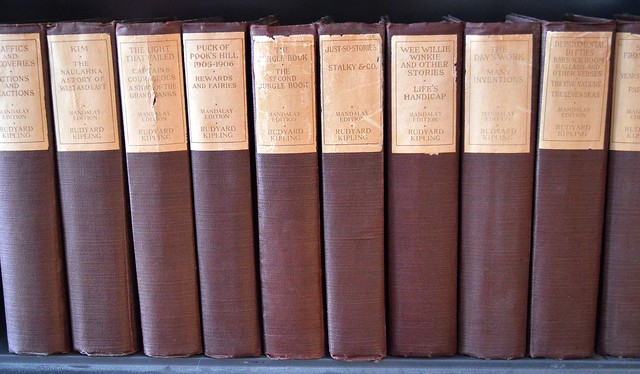
Sitting at my computer in my comfortable office, handling herbarium specimens that are often well over a hundred years old, I sometimes forget how dangerous it could be to collect these specimens in the 1800’s, and how many of these collectors came to bad—and sometimes violent—ends.  One such end inspired a story by Rudyard Kipling.

Sunday, July 5, 2015

Summer means great gardens in Washington, DC

Garden
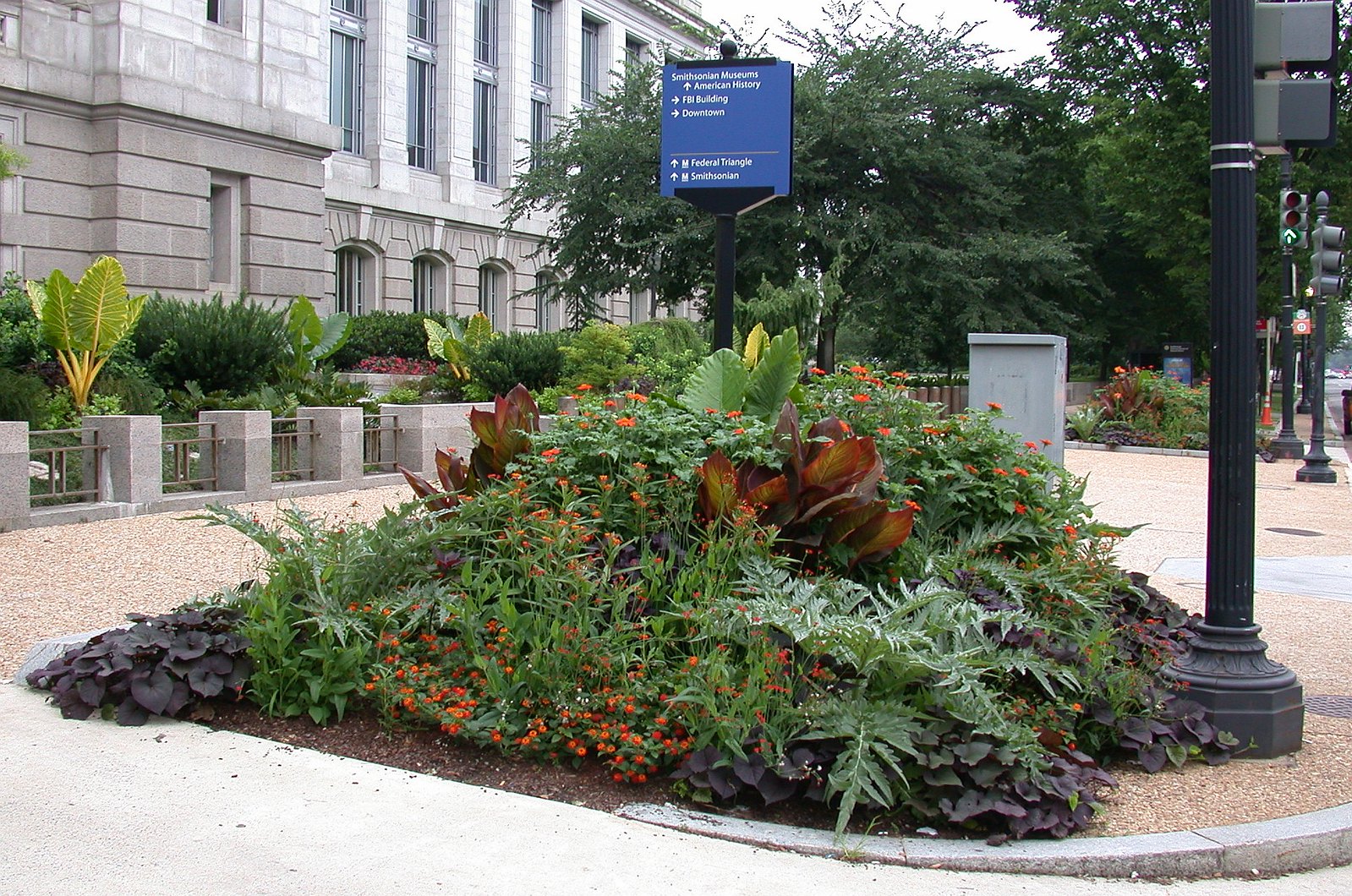
National Museum of Natural History (Constitution Avenue entrance)

I'm privileged to work at the Smithsonian's National Museum of Natural History in Washington, DC and a beautiful garden greets me as I arrive at work every morning.  As the summer gets hotter and hotter, it just keeps getting better and better.  I know a lot of people don't like the heat and humidity of a Washington, DC summer but this is when our public gardens really start to hit their stride.  Don't get me wrong, I love spring gardens with their tulips, daffodils, peonies, bleeding heart, foxglove, poppies, and bluebells, but by mid-summer, most of these plants look the worse for wear.  Some of them, like oriental poppies, bleeding heart, and most spring bulbs, have the good sense to go dormant in our summer heat but gardens that depend too heavily on these spring-flowering plants aren't worth seeing the rest of the year.

Sunday, October 26, 2014

Smithsonian Gardens, part 3: Enid A. Haupt Garden

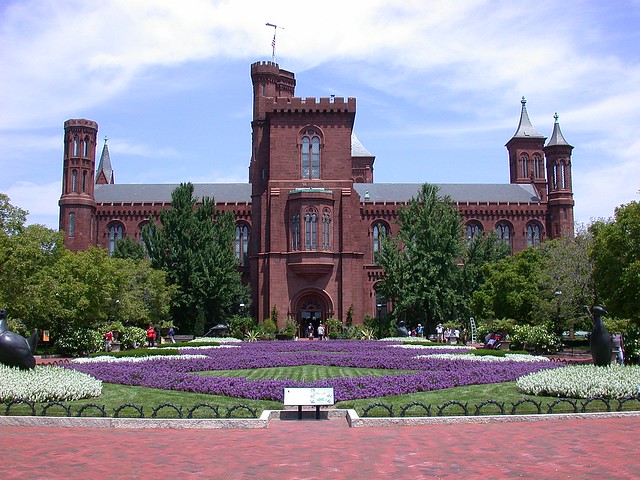
Smithsonian Castle
Parterre garden in front of the Smithsonian Castle

[Third in a series on Smithsonian Gardens; introduction here, part 1 here, part 2 here]

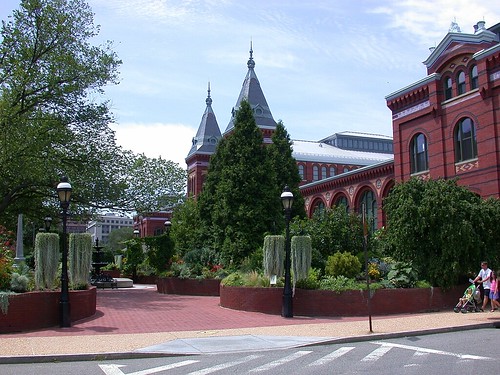
I took a walk through the Smithsonian's Enid A. Haupt Garden a few days ago and found it still going strong in mid-October.  That stroll reminded me that I still had a set of photos from July to upload that I took for a series of blog posts on Smithsonian Gardens.  I wrote up the Butterfly Habitat and Urban Bird Habitat Gardens, and the Mary Livingston Ripley Garden, but I kept putting off the Haupt Garden.  Nestled between Independence Avenue, the Smithsonian "Castle", the Freer Gallery and the Arts and Industries Building, this is the largest of the Smithsonian's gardens on the National Mall, and I'll admit I felt a bit intimidated!  The Haupt Garden is actually a series of connected gardens that contrast strongly in character, altogether covering 4 acres.  Most of this is planted over the Smithsonian Quadrangle or "Quad", a large underground complex of office and museum space.  The Haupt Garden is thus a giant roof garden, and although it was installed only after the Quad was completed in 1985, it looks like it's been there since the Castle itself was built.

Sunday, September 21, 2014

Smithsonian Gardens, part 2: Mary Livingston Ripley Garden

Ripley Garden
Entrance to the Mary Livingston Ripley Garden on the National Mall

[Second in a series on Smithsonian Gardens; introduction here, and part 1 here]

The Mary Livingston Ripley Garden, tucked into a narrow space between two Smithsonian museums, the Arts and Industries Building (closed for renovations since 2006) and the Hirshhorn Museum, is one of the Smithsonian's smallest but it's one of my favorite gardens in Washington, DC.  Like the Butterfly Habitat Garden, this oasis just off the National Mall is easy to miss, and tourists focused on the memorials, monuments, and museums will walk right by it without ever knowing it's there.

Saturday, August 30, 2014

Washington windmill palm winners (and losers)

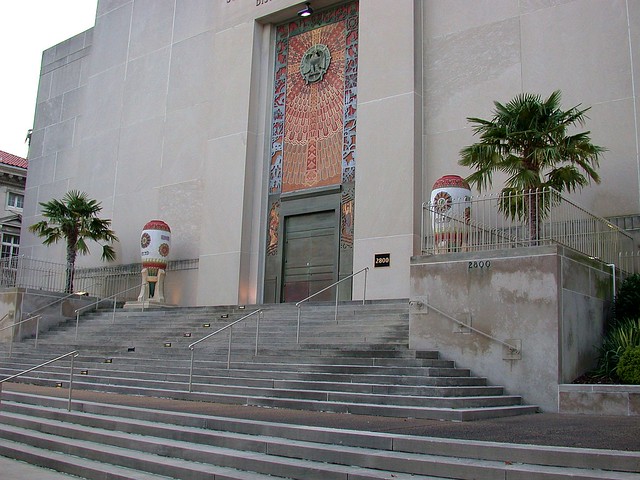
Trachycarpus fortunei
Scottish Rite Temple, October 2012

In early February, when we were in the middle of our coldest winter in a very long time, I wrote a blog post rounding up several windmill palms (Trachycarpus fortunei) that I've encountered in the city.  Most of these palms were several years old and had suffered little damage from our recent mild winters but as I wrote in February, "...our coldest winter in 20 years will surely put these palms to the test.  A general rule of thumb is that single digit temperatures are likely to cause damage, and temperatures below zero will cause massive damage and in many cases kill the palm outright (although duration of the cold is also critical).  This makes windmill palms marginal in zone 7: sooner or later, they will experience temperatures capable of killing them."

Saturday, August 2, 2014

A midsummer miscellany

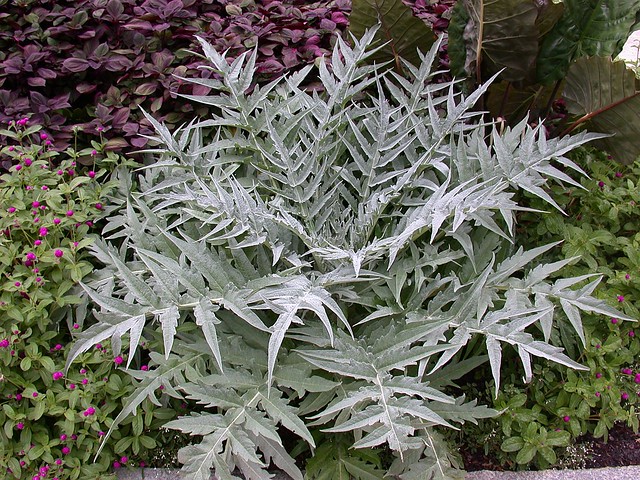
Cynara cardunculus
Cardoon (Cynara cardunculus), National Museum of Natural History gardens

I don't normally do a lot of walking in mid-summer, but we've had such uncharacteristically pleasant summer weather for the past several weeks that I can't use my usual excuse of heat and humidity to avoid a bit of exercise.  So come with me on a Friday evening as I walk from work in downtown Washington, DC to join my husband for dinner at a restaurant on 14th Street near Logan Circle.  This month marks 23 years since we moved here from a small town in upstate New York, so forgive me if I wax a bit nostalgic along the way!

Saturday, July 26, 2014

Smithsonian Gardens, part 1: National Museum of Natural History

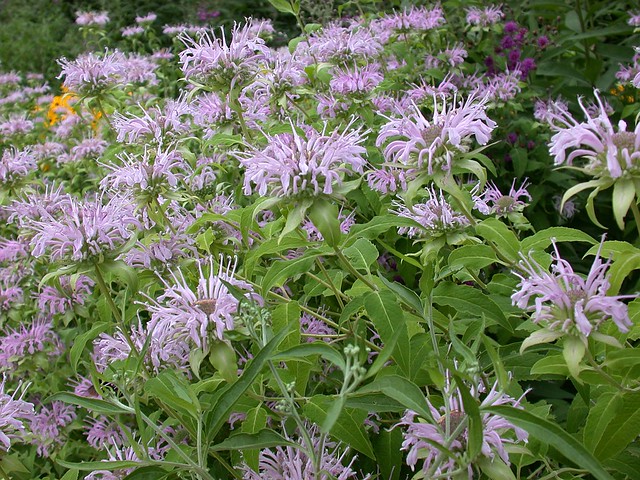
Monarda fistulosa
Monarda fistulosa, Butterfly Habitat Garden

[This is the first in a series of posts about Smithsonian Gardens.  Please see my introductory post here.]

The National Museum of Natural History is one of the Smithsonian Institution's largest and most popular museums, vying with the National Air and Space Museum as the most-visited Smithsonian museum.  But many visitors overlook the gardens around the building, including the Butterfly Habitat Garden and Urban Bird Habitat Garden.  These gardens deserve more attention; not only are they beautiful, but they are AAM (American Alliance of Museums) accredited and have been designated as wildlife sanctuaries by the National Audubon Society.

Sunday, July 20, 2014

Smithsonian Gardens

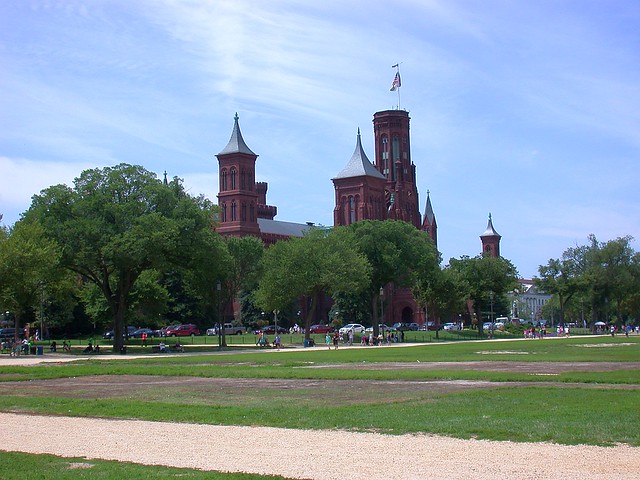
Smithsonian Castle
Smithsonian "Castle", the original Smithsonian Institution building

Many tourists who visit the city where I live are completely unaware of the many gardens that can be found in Washington, DC or the work that goes into them.  Several different government agencies are responsible for the various gardens, many of which deserve to be tourist attractions in their own right.  Among these are the gardens on the grounds of the Smithsonian Institution's museums on the National Mall.  The Smithsonian has its own horticultural division, Smithsonian Gardens, and the gardens staff do a wonderful job planning, planting and maintaining these gardens for the public  to enjoy.*